
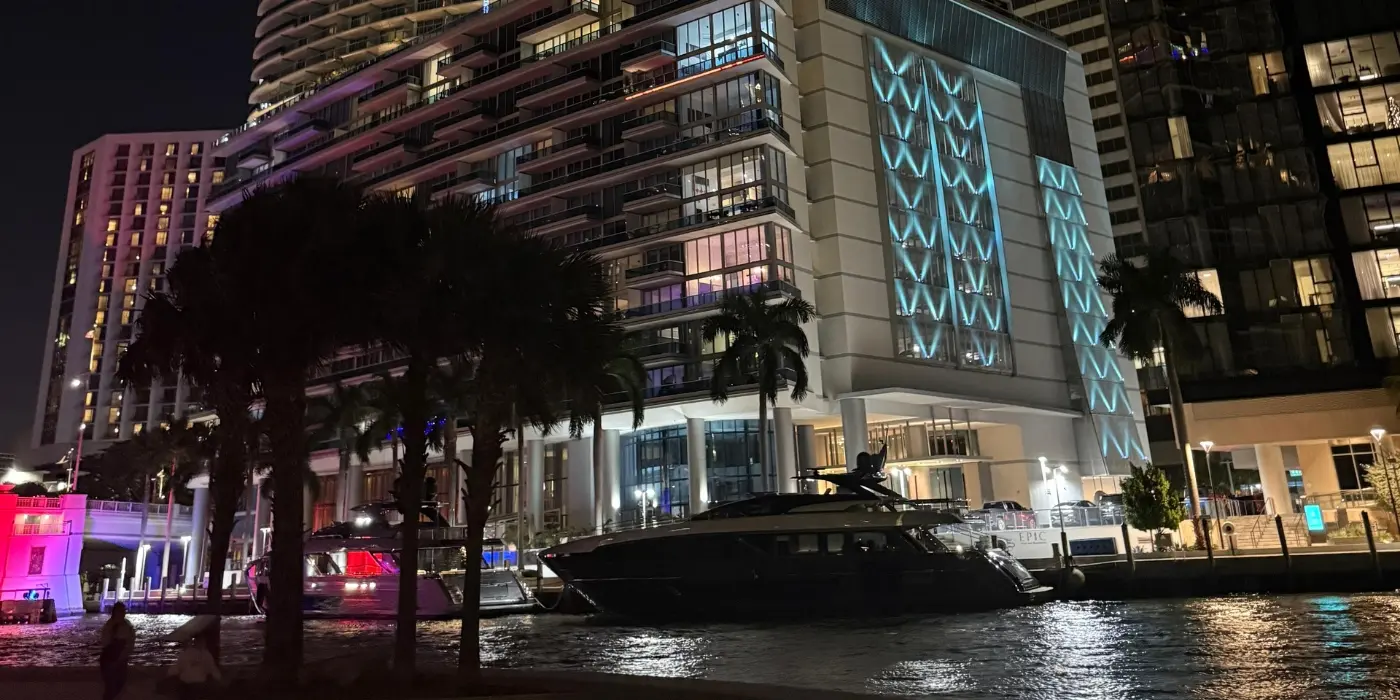
Miami is often described as a year-round destination. While that’s technically true, not every season offers the same experience. Climate, cultural activity, tourism flow, wildlife visibility, and even the quality of light shift dramatically throughout the year.
Understanding these nuances can transform a good trip into a truly memorable one.
🌤️ Dry Season vs. Wet Season: What You Should Know
Miami has two primary seasons rather than four traditional ones.
Dry Season (November to April)
This is the most popular time to visit — and for good reason.
• Comfortable temperatures (65–80°F / 18–27°C)
• Lower humidity
• Clearer skies
• Ideal conditions for walking tours and outdoor exploration
This season is particularly well suited for:
• Exploring neighborhoods on foot
• Visiting the Everglades
• Outdoor dining and waterfront experiences
• Architectural photography
However, it is also high season. Hotels, restaurants and major attractions tend to be busier, especially between January and March.
Wet Season (May to October)
Often underestimated, the wet season offers a different — and sometimes more authentic — side of Miami.
• Fewer crowds
• Lush, vibrant landscapes
• Dramatic tropical sunsets
• Greater flexibility and availability
Afternoon rain showers are common, but they are usually brief and intense rather than all-day storms. The city often clears quickly, leaving behind fresh air and glowing skies.
For travelers who value space and a slower pace, this season can be surprisingly appealing.
🌴 The Best Month Depends on Your Travel Style
There isn’t one universal “best” month — it depends on what you value most.
For Ideal Weather:
January, February and March offer the most consistent comfort.
For Fewer Tourists:
Late April and early November provide a balance between good weather and lower visitor density.
For Cultural Events:
December (Art Basel Miami Beach) and March (international festivals and events) bring global energy and creativity to the city.
For Nature and Wildlife:
Winter and early spring offer better wildlife visibility in the Everglades due to lower water levels and cooler temperatures.
🌇 The Role of Light: A Detail Few Consider
One overlooked factor is how the quality of light changes throughout the year.
In winter, the sun sits lower in the sky, producing softer, golden tones ideal for photography and architectural appreciation.
In summer, the light is stronger and more vertical, intensifying the pastel colors of the Art Deco district and the bold murals of Wynwood.
Miami quite literally looks different depending on the season.
🏖️ Beyond Weather: The Rhythm of the City
Climate matters — but so does atmosphere.
• During high season, Miami feels international, energetic and socially vibrant.
• During quieter months, it becomes more relaxed and local.
Both versions are valid. The key is aligning the season with the experience you’re seeking.
✈️ Smart Planning Tips
When planning a trip, consider:
• Major events that may affect hotel availability
• Cruise season, which increases traffic around the port
• U.S. school holidays that impact beaches and attractions
• Hurricane season (June–November), which rarely disrupts travel but is worth monitoring
Strategic timing enhances the experience.
Miami doesn’t have one perfect moment.
It has different moments.
And those who understand its seasonal shifts discover a city that evolves — in light, energy and atmosphere — revealing new dimensions throughout the year.